DISTANCE IS PART OF THE CRAFT
When photographic prestige takes priority over animal life, photography becomes an extractive enterprise. True fieldcraft is measured by what you do not touch, what you do not disturb, and the moments you choose to witness without firing a shutter.
THE FICTION OF THE TROPHY CLOSE-UP
Social media platforms have warped wildlife photography into a competition for frame-filling proximity. In pursuit of extreme close-ups, photographers frequently corner subjects, trample fragile verge flora, and encroach upon critical buffer zones.
An extreme headshot stripped of habitat gives the viewer zero understanding of the organism's lived reality. By embracing distance, the photographer captures context: the wind shear shaping the bird's flight, the treacherous tidal channel navigated by the otter, or the dense understory sheltering young ungulates.
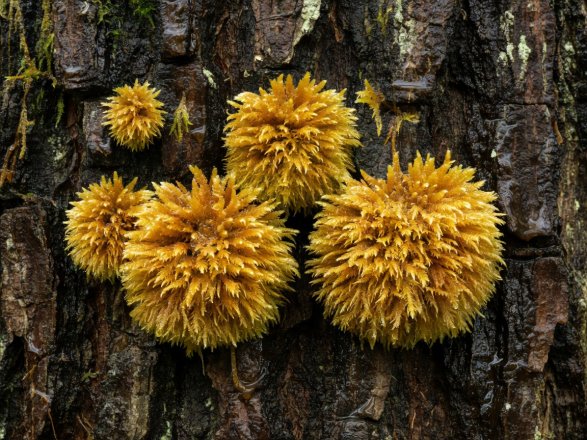 Ancient sessile oak trunk: microhabitats that suffer severe damage when photographers trample off-path.
THE ABSOLUTE ZERO-BAITING MANDATE
We adhere strictly to the principle that food should never be introduced into a wild habitat to attract an animal for photographic purposes. Live-baiting owls with purchased pet-store rodents or leaving food caches to draw pine martens alters wild instincts and creates lethal vulnerability.
Baited animals rapidly associate humans with food. This habituation leads to domestic poultry raids, road crossing accidents, and aggressive encounters that end in pest-control culls. An image made through artificial baiting is an ecological falsehood.
- PROHIBITED Live or dead rodents staked for raptor flight shots.
- PROHIBITED Acoustic playback calls during spring courtship cycles.
- PROHIBITED Scent lures or artificial carcass dumping near hides.
 Bracken cover under damp canopy: authentic feeding grounds require natural prey availability.
NESTING AND BREEDING SANCTUARIES
In many jurisdictions under wildlife protection statutes (such as the UK Wildlife and Countryside Act 1981 Schedule 1), it is a criminal offence to disturb designated species while building nests, sitting on eggs, or rearing dependent young.
Regardless of legislative technicalities, the ethical naturalist treats every active breeding site as an inviolable sanctuary. Scent trails left by wandering photographers lead mammalian predators straight to concealed clutches. When in doubt, withdraw immediately and do not publish location metadata.
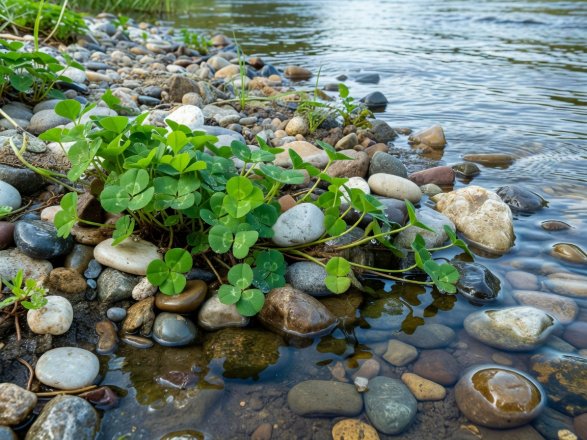 Gravel beds along upland streams: sensitive breeding ground for ground-nesting sandpipers.