SETTINGS THAT SERVE THE MOMENT
Camera hardware is an observational instrument, not an intrusive probe. Mastering your controls until muscle memory replaces conscious thought allows you to remain still, eliminating sudden clicks, beep sounds, and lens readjustments that startle shy wildlife.
THE SILENT CAMERA PARADIGM
In still woodland or windless marsh dawn, the mechanical slap of a camera mirror or shutter curtain sounds like a gunshot to keen mammalian ears. Modern mirrorless camera systems provide true electronic silent shutters that operate without vibration or sound.
However, optical discipline extends beyond the shutter. Turn off autofocus confirmation beeps, disable AF assist illumination lamps (which emit alarming orange beams directly into an animal's eyes), and dampen loose metal strap eyelets using electrical tape or paracord loops.
- ELECTRONIC Run 100% silent electronic shutter; test for rolling shutter banding under artificial light.
- BEEPS OFF Audit menu settings to ensure total acoustic silence on lock and wake.
- AF LAMP Switch off autofocus illuminator; rely on phase detection sensors.
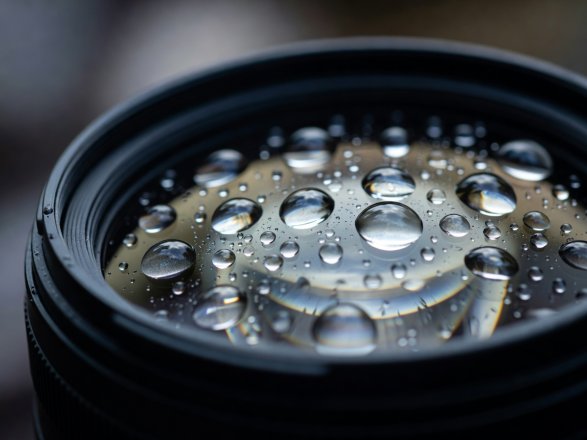 Lens barrel preparation: keeping gear weatherized and silenced in humid dawn valley air.
EXPOSURE IN DENSE VEGETATION
When tracking wildlife through dark riverbanks or deep deciduous forests, evaluative matrix metering frequently miscalculates the dynamic range. High contrast patches of sky through tree canopies fool light meters into underexposing dark fur or plumage.
Switch to manual exposure with Auto-ISO capped at a clean noise ceiling (e.g., ISO 6400 on modern full-frame sensors). Use highlight-weighted metering or spot metering mapped to your active focus point to preserve detail in delicate bird down and mammal pelage.
 Sub-canopy forest floor: delicate low-light tones requiring careful manual exposure offsets.
RECOMMENDED EXPOSURE BASELINES
Tested technical parameters for typical low-impact nature observation scenarios.
| Situation | Shutter Speed | Aperture | AF Tracking Mode | Notes |
|---|---|---|---|---|
| Dawn River Otter (Feeding) | 1/800s – 1/1250s | f/4.0 – f/5.6 | Single-point or small zone continuous | Focus on whiskers; keep exposure locked for dark wet fur |
| Dusk Barn Owl (Quartering) | 1/1600s – 1/2500s | f/2.8 – f/4.0 | Wide area with subject detection | Expose for white breast feathers to avoid blown highlights |
| Woodland Badger (Sett Emergence) | 1/250s – 1/500s | f/2.8 wide open | Manual focus with focus peaking preset | Use steady beanbag mount; avoid all AF motor chatter |
| Estuary Waders (Tide Push) | 1/1000s – 1/2000s | f/5.6 – f/8.0 | Dynamic 9-point expansion | Preserves wet sand textures and contextual shoreline depth |