INCLUDE THE LIVING CONTEXT
No organism exists in isolation. When wildlife photography isolates an animal against a featureless blurred backdrop, it erases the relationships that define wild existence: the food webs, shelter vegetation, weather systems, and geologic formations that shape survival.
THE RIPARIAN CORRIDOR
River systems are the circulatory highways of temperate ecosystems. Otters, kingfishers, dippers, and water voles rely on continuous overhanging vegetation, submerged root balls, and gravel riffles.
When framing a river species, incorporating the twisted roots of mature alders or the glassy swirl of an eddy adds narrative depth. A small creature framed within a wide, cold river expanse evokes the true vulnerability and toughness of riparian life.
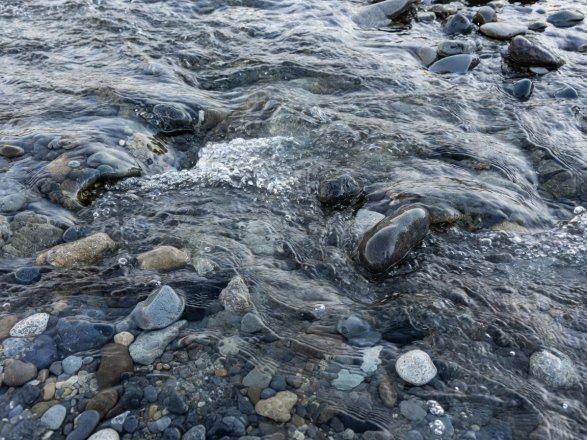 River shallows: preserving aquatic micro-structures in wide wildlife compositions.
ANCIENT BROADLEAF UNDERSTORY
Ancient woods are layered mosaics of fungi, decomposing nurse logs, leaf litter, and fluctuating dappled lighting. Walking through these environments requires extreme foot discipline. Dead twigs and dry beech mast broadcast your movement across hundreds of yards.
Rather than roaming, select a spot with a natural blind—such as a fallen ash trunk or a bend in a sunken trackway—and remain motionless. Let the birds and small mammals adjust to your quiet presence. Within twenty minutes, normal woodland activity resumes.
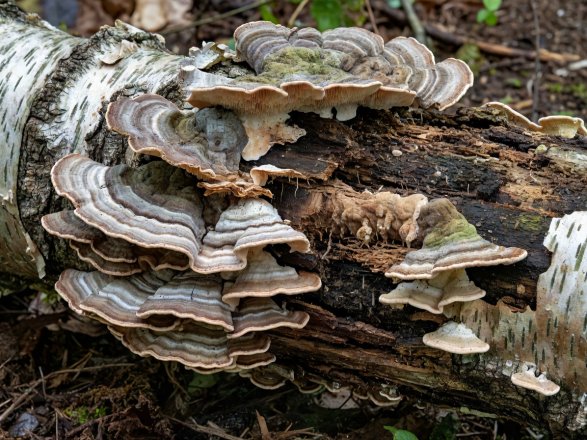 Birch bracket polypores: foundational decay organisms sustaining woodland food chains.
COASTAL SALT MARSHES AND MUDFLATS
Salt marshes represent one of the most productive, yet fragile, carbon-sequestering biomes on Earth. The tidal creeks, glasswort patches, and deep mud channels dictate every movement of overwintering wildfowl.
Tide tables must be memorized before stepping onto any coastal flat. Photographers who fail to understand tide cycles often find themselves stranded, requiring emergency services and disturbing thousands of resting waders. Never enter coastal salt marshes without verifying incoming tide speed.
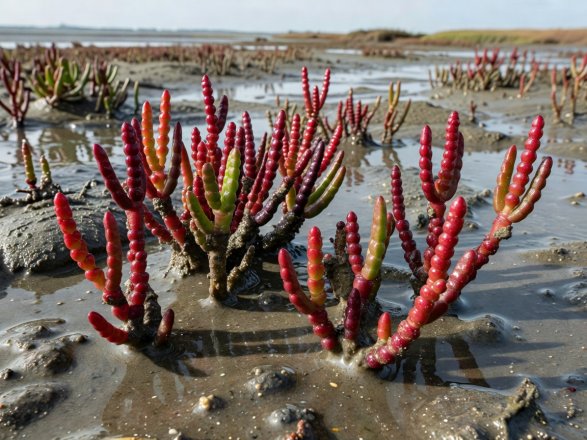 Salicornia silt beds: fragile pioneer plants that anchor tidal flats against coastal erosion.